

Waking up with a scratchy, burning throat after a night of drinking is a familiar experience for many people. While it might seem like a minor inconvenience, a sore throat after drinking alcohol can reveal important information about how alcohol affects your body and, in some cases, signal patterns that warrant closer attention. Understanding why your throat hurts after consuming alcohol helps you make informed decisions about your health and recognize when occasional discomfort becomes something more significant.
The causes of throat pain following alcohol consumption range from simple dehydration to signs of chronic inflammation or withdrawal. For some, it’s an isolated incident that resolves quickly with rest and hydration. For others, recurring throat discomfort becomes part of a larger pattern tied to regular or heavy drinking. This article explores the medical reasons behind this common symptom, when it indicates a more serious concern, and how to determine if professional support might help.
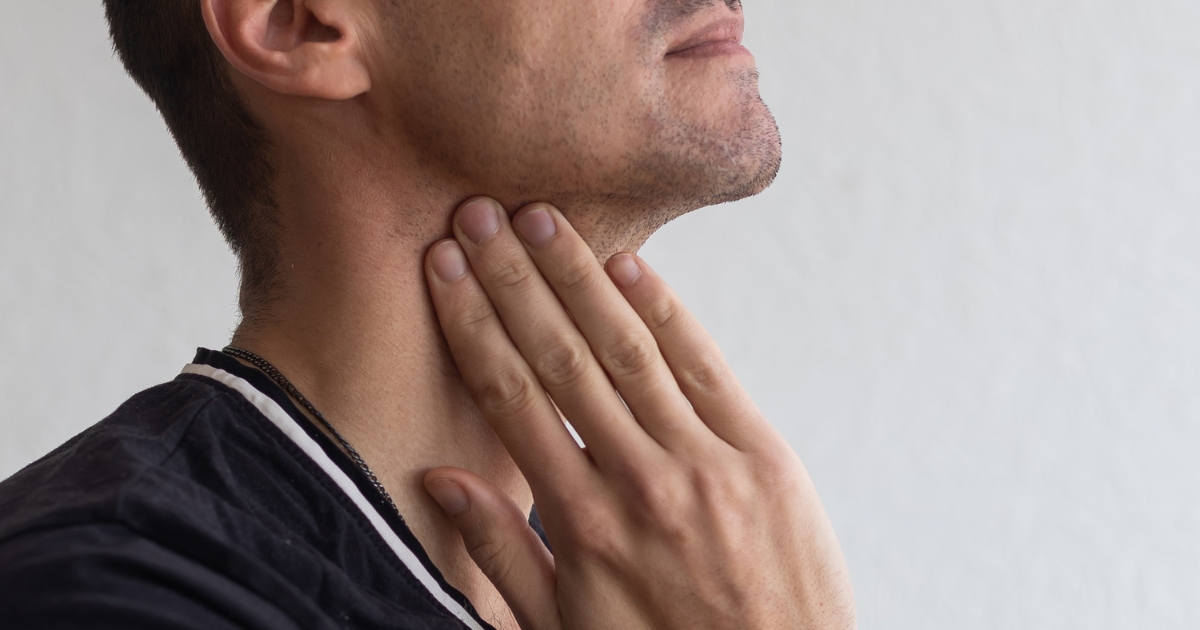
Why Does My Throat Hurt After Drinking? Common Causes Explained
Dehydration and Sore Throat from Alcohol: The Primary Culprit
The most frequent culprit behind a sore throat after drinking alcohol is dehydration. Alcohol acts as a diuretic, increasing urine production and causing your body to lose fluids more rapidly than usual. This reduces saliva production and leaves throat tissues dry, irritated, and more susceptible to inflammation. When your throat lacks adequate moisture, even normal swallowing can feel uncomfortable or painful.
Acid reflux from drinking alcohol represents another major contributor to throat pain. Alcohol relaxes the lower esophageal sphincter, the muscular valve that normally prevents stomach acid from flowing backward into the esophagus and throat. When this valve loosens, stomach acid travels upward, irritating throat tissues and causing soreness that may last hours or days.
Beyond dehydration and reflux, alcohol itself acts as a direct irritant to throat tissues. The caustic properties of ethanol can damage the protective lining of your throat. This direct chemical irritation creates inflammation and tenderness that you feel as soreness or burning.
Alcohol also suppresses your immune system, making your throat more vulnerable to bacterial and viral infections. Regular drinking reduces your body’s ability to fight off pathogens, so throat inflammation develops more easily and heals more slowly. Additionally, some individuals experience a histamine response to alcohol or specific ingredients in alcoholic beverages, triggering inflammation and swelling in the throat as part of an allergic or sensitivity reaction.
| Cause | Mechanism | Typical Duration |
|---|---|---|
| Dehydration | Reduced saliva and moisture in throat tissues | 12-24 hours with rehydration |
| Acid Reflux | Stomach acid irritates the throat lining | 24-48 hours |
| Direct Irritation | Alcohol damages protective throat tissues | 24-72 hours |
| Immune Suppression | Increased vulnerability to infection | Variable, may require treatment |
Recognizing Patterns: When Throat Pain Signals a Bigger Problem
While an occasional sore throat after drinking alcohol might not raise concern, recurring throat pain following alcohol consumption often signals a more significant issue. Chronic sore throat from alcohol use develops when the tissues in your throat never fully recover between drinking episodes, creating a cycle of ongoing irritation and damage.
For individuals who drink heavily or frequently, esophageal damage and gastroesophageal reflux disease (GERD) can develop over time. Repeated acid exposure weakens the esophageal lining, creating persistent inflammation that extends into the throat and worsens with each drinking episode.
An alcohol withdrawal sore throat represents an early symptom for people who have developed physical dependence on alcohol. When someone who drinks daily begins to experience withdrawal between drinking episodes, throat pain and irritation can appear alongside other symptoms like anxiety, tremors, and nausea.
Regular alcohol consumption disrupts the oral microbiome, increasing infection risk. This combination of weakened immunity and altered bacterial balance makes throat infections more frequent and slower to heal.
Warning Signs That Throat Pain Indicates Problematic Drinking
- Experiencing throat soreness after most or all drinking occasions rather than occasionally
- Finding yourself unable to stop or reduce drinking despite recurring throat pain and discomfort
- Noticing throat pain appears during periods when you haven’t been drinking, suggesting withdrawal
- Experiencing other alcohol-related health issues alongside throat problems, such as digestive complaints or sleep disturbances
How Long Does Sore Throat Last After Drinking and When to Seek Help
Understanding how long a sore throat after drinking alcohol typically lasts helps you distinguish normal recovery from warning signs. For most people experiencing dehydration and a sore throat from alcohol, symptoms typically resolve within 24 to 48 hours. However, throat pain that persists beyond three days, intensifies, or makes swallowing difficult suggests something more serious.
Certain red flags require immediate medical attention. Severe throat pain that prevents you from swallowing liquids, difficulty breathing, the presence of blood when you cough, or a high fever accompanying throat pain all warrant urgent evaluation.
When to see a doctor for throat pain after drinking extends beyond emergencies. If you notice a pattern of recurring throat soreness following alcohol consumption, this warrants a conversation with a healthcare provider, even if individual episodes resolve on their own. For individuals experiencing withdrawal symptoms between drinking episodes, medical detox provides the safest environment for addressing both the immediate physical symptoms and the underlying alcohol dependence.
Acid Reflux from Drinking Alcohol: When Symptoms Persist
Acid reflux from drinking alcohol often causes throat pain that lingers beyond the immediate hangover period. If you experience recurring heartburn, regurgitation, or throat soreness after drinking, GERD may have developed. A gastroenterologist can assess esophageal damage and recommend treatment to prevent long-term complications.
| Symptom Severity | Recommended Action |
|---|---|
| Mild to moderate sore throat after drinking alcohol (up to 3 days) | Self-care with hydration; see doctor if persisting beyond 3 days |
| Recurring pattern after drinking episodes | Evaluation for alcohol use disorder and chronic conditions |
| Severe pain, difficulty breathing, or bleeding | Seek immediate emergency care |
| Throat pain during withdrawal periods | Contact a medical detox facility for assessment |

Clearing the Path Forward at Detox Center of Nashville
Recognizing that physical symptoms like recurring throat pain may signal a larger concern with alcohol takes courage and self-awareness. If you find yourself searching for answers about a sore throat after drinking alcohol, or if you notice patterns of discomfort that don’t resolve with simple remedies, you’re already taking an important step toward understanding your relationship with alcohol. Many people throughout Middle Tennessee have found that addressing alcohol dependence resolves chronic throat problems and improves overall health in unexpected ways.
Detox Center of Nashville provides medically supervised care that addresses both the immediate physical symptoms of alcohol withdrawal and the comprehensive support needed for lasting recovery. Our physician-led team conducts thorough assessments to determine whether alcohol damages your throat and other chronic health issues.
Physical symptoms often improve rapidly once the cycle of repeated alcohol exposure ends and your body begins to heal. If you’re experiencing recurring throat pain, withdrawal symptoms, or other signs that alcohol is affecting your health, we invite you to call us for a confidential conversation about your options.
This article provides educational information and is not a substitute for professional medical advice, diagnosis, or treatment. If you or someone you know is in immediate danger, please call 988 (Suicide & Crisis Lifeline) or contact SAMHSA’s National Helpline at 1-800-662-4357 for free, confidential support available 24/7.
FAQs
1. Can alcohol damage your throat permanently?
Chronic heavy alcohol use can cause lasting damage to the throat and esophageal tissues, including conditions like chronic inflammation, Barrett’s esophagus, and increased cancer risk. However, many alcohol-related throat problems improve significantly when drinking stops, as the body has considerable healing capacity. The extent of permanent damage depends on the duration and severity of alcohol use.
2. Is a sore throat a sign of alcohol withdrawal?
Yes, throat pain can appear as an early withdrawal symptom for people who have developed physical alcohol dependence. This type of discomfort differs from the immediate irritation caused by drinking and instead reflects the body’s distressed response to the absence of alcohol. If you experience throat pain along with other withdrawal symptoms like anxiety, tremors, or nausea when you haven’t been drinking, this warrants evaluation by a medical professional.
3. Why does my throat hurt more after certain types of alcohol?
Different alcoholic beverages vary in their potential to irritate throat tissues based on alcohol content, acidity, carbonation, and additional ingredients. Higher-proof spirits cause more direct chemical irritation, while acidic drinks like wine or cocktails with citrus mixers can trigger more severe acid reflux. Carbonated alcoholic beverages may increase stomach acid production and reflux risk. Some people also have sensitivities to specific ingredients like sulfites in wine or histamines in beer, which can cause inflammation and throat discomfort.
4. What’s the best way to prevent a sore throat when drinking?
While the most effective prevention is avoiding or limiting alcohol, those who choose to drink can reduce throat irritation by staying hydrated, avoiding high-proof spirits and acidic mixers, eating before drinking, and limiting intake. However, if you find yourself regularly experiencing throat pain despite these precautions, this pattern may indicate that your body is signaling a need to reconsider your relationship with alcohol.
5. When does throat pain after drinking indicate I need professional help?
Sore throat after drinking alcohol warrants professional evaluation when it becomes a recurring pattern after drinking episodes, persists for more than three days, occurs during periods when you haven’t been drinking (suggesting withdrawal), or accompanies other concerning symptoms like difficulty swallowing, breathing problems, or bleeding. Additionally, if you find yourself unable to reduce or stop drinking despite experiencing repeated throat discomfort and other physical consequences, this indicates a level of alcohol dependence that benefits from medical support. Medically supervised detox provides the safest environment for addressing both the physical symptoms and the underlying dependence.